Toronto Residential Electrician for Wiring, Lighting, and Installations
Toronto Residential Electrician for Wiring, Lighting, and Installations
Blog Article
Routine Electrical Problems and In What Ways an Electrical Expert Can Provide Support
Electrical issues can manifest in different ways, often signaling deeper problems. Common indicators include frequent circuit breaker trips, flickering lights, and warm outlets. These manifestations may point to overloaded circuits or damaged wiring, which pose safety risks. Understanding these issues is vital for ensuring a safe home space. An electrician's skill can provide clarity and solutions. What steps can homeowners take to address these concerns productively?
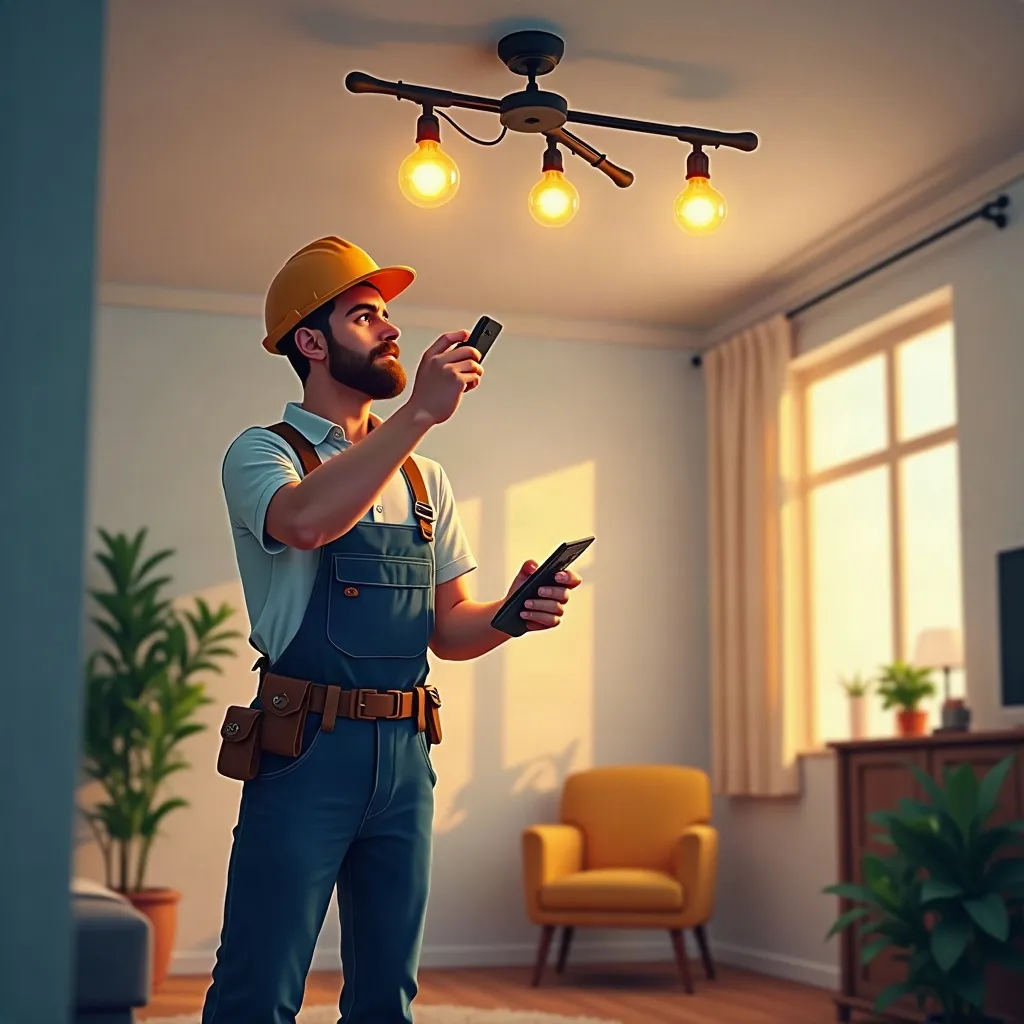
Usual Red Flags of Electrical Troubles
How can homeowners identify electrical problems before they worsen? Homeowners should be vigilant for particular indicators indicating potential electrical issues. Repeated tripped circuit breakers can indicate overloads or faulty wiring. Additionally, unusual odors, such as burning, may indicate overheated wires or insulation. Flickering or flickering lights, especially when several light sources are affected, can suggest an unstable power flow. Moreover, outlets that feel warm to the touch or appear discolored could point to a critical electrical problem. Property owners should also take note of humming noises from outlets or switches, which may indicate incorrect setup or failing components. Finally, if appliances often malfunction or if the property's electrical setup seems outdated, it might be time to consult a professional. Identifying these warning signs early can prevent greater issues and guarantee the safety and proper operation of the property's electrical infrastructure.
Flickering Lights and Their Possible Dangers
Lights that flicker present significant dangers in a home, regularly serving as a warning sign of underlying electrical problems. This phenomenon may indicate loose wiring, which can lead to arcing, a perilous condition in which electricity leaps between wires. Such arcing can cause overheating and potentially result in electrical fires. Moreover, flickering lights may suggest an overtaxed circuit, where excessive current is being drawn, threatening damage to appliances and the electrical system itself.
Home dwellers may additionally face constant interruptions in their lighting, which can produce reduced brightness and amplified risk of accidents. Disregarding fluctuating illumination can aggravate these problems, causing more acute power failures. Hiring a qualified electrical specialist is imperative to diagnose and resolve the root issue of flickering lights, maintaining safety and re-establishing stable power supply. Rapid attention to this problem can prevent serious dangers and shield both property and residents.
Understanding Circuit Breaker Shutdowns
Comprehending circuit breaker trips is essential for householders facing electrical trouble. A circuit breaker serves as a protective mechanism, designed to halt electrical flow when it discovers an overload, short circuit, or ground fault. These interruptions mitigate potential hazards, such as electrical fires or equipment damage.
When a circuit breaker activates, it indicates that the electrical system is experiencing an overload. Common causes include circuits with excessive load from too many devices, faulty wiring, or broken devices. Property owners should monitor the particular circuit breaker that trips frequently, as this can help determine the source of the problem.
While fixing a triggered breaker is simple, frequent interruptions indicate an root problem that requires professional attention. An electrical specialist can identify the problem, guaranteeing the home's electrical system functions securely and efficiently. Understanding these disruptions not only safeguards assets but also improves overall electrical safety within the home.
How to Handle Non-Operational Outlets?
When power outlets cease to function, it can interrupt daily activities and cause frustration. Individuals may want to verify if the breaker has tripped, as this is a common reason. If the breaker is intact, inspecting the outlet for visible damage of deterioration is recommended. Faulty connections or burnt marks may indicate a serious problem.
Subsequently, testing the outlet with a alternate device can help establish whether the concern lies with the outlet or the appliance. If multiple outlets in the same area are nonfunctional, the concern may be associated with wiring or a GFCI outlet that requires resetting.
If these initial troubleshooting steps do not fix the problem, it is wise to contact a licensed electrician. They have the expertise to diagnose and fix electrical issues securely, guaranteeing that the home's electrical system operates effectively and prevents potential hazards.
The Hazards of Overloaded Circuits
Overloaded circuits generate major risks in power networks, usually stemming from heavy use of outlets and devices. Detecting the signs of overloading, including common tripped breakers or flickering lights, is essential for safety. Deploying sound prevention strategies can help reduce these perils and guarantee a reliable electrical infrastructure.
Reasons for Taxed Circuits
A substantial number of households encounter problems stemming from overloaded circuits, which can result in serious electrical hazards. Overloading generally occurs when too many devices draw power from a single circuit, surpassing the circuit's capacity. Frequent reasons encompass the use of multiple high-power appliances, such as space heaters and microwaves, simultaneously on the same circuit. Additionally, outdated wiring systems may not accommodate modern electrical demands, contributing to overloads. Poorly placed extension cords and power strips can additionally worsen the issue by distributing power unevenly. Moreover, a insufficient knowledge about electrical ratings among homeowners often leads to unintentional overuse of circuits, increasing the risk of overheating and potential fire hazards. Proper circuit management is essential for safety and efficiency.
Signs of Being Overloaded
Recognizing the signs of overloaded circuits is crucial for preserving electrical safety in a home. Common indicators include repeated circuit breaker trips, which indicate that the electrical demand exceeds the circuit's capacity. Dimming or flickering lights can also point to overload, as they may have difficulty to receive adequate power. Additionally, outlets that feel warm to the touch or emit a burning smell pose serious risks, indicating potential overheating. Inconsistent performance of electrical devices may further highlight the issue, suggesting that they are not receiving stable power. Homeowners should pay attention to these signs, as ignoring them can lead to more severe electrical problems, including potential fire hazards. Prompt assessment by a qualified electrician is critical for addressing overloaded circuits effectively.
Prevention Strategies Accessible
To lessen the hazards of overloaded circuits, homeowners can adopt several effective safety measures. First, they must verify that the total power output of appliances stays within the circuit’s capacity. Using power strips equipped with built-in circuit breakers offers additional protection from overloads. It is crucial to regularly inspect electrical cords for wear and tear, since damaged cords increase resistance and the chance of overheating. Moreover, spreading electrical loads across multiple circuits helps avoid overloading any single one. Homeowners should also refrain from daisy-chaining multiple extension cords, as this significantly raises the overload risk. In conclusion, consulting a licensed electrician for a detailed inspection of the home’s electrical system can deliver customized solutions and safety advice.
How Will an Electrical expert Analyze Electrical difficulties?
Identifying power problems demands a methodical approach that combines technical knowledge with keen observation. Electricians start by collecting information from the customer, noting symptoms such as lights that flicker or tripped breakers. They regularly perform a visual inspection of the power panel, outlets, and wiring to identify any obvious issues, such as damaged insulation or disconnected connections.
Next, electricians leverage specialized tools, such as multimeters and circuit testers, to measure voltage, current, and resistance levels. This helps in determining the exact location of the fault. They may also look for ground faults or short circuits, which can cause significant hazards. Throughout the process, electricians follow safety protocols to safeguard their own protection as well as that of the property. By strategically removing potential causes, they can effectively pinpoint the problem, allowing for successful fixes and maintaining safety in the electrical system.
Preventative Tactics for Electric Safeguarding
Preventive measures for safe electrical operations are essential in minimizing dangers associated with electrical systems. Periodic discover the facts assessments, breaker servicing, and appropriate wiring methods can substantially boost the reliability and safety of electrical installations. Implementing these methods helps in recognizing potential issues before they transform into serious problems.
Standard Electrical Inspections
Frequent electric inspections play a vital role in maintaining safety and efficiency within homes and companies. These inspections help detect potential hazards, including frayed wires, overloaded circuits, and outdated equipment. By spotting issues early, property owners can prevent expensive repairs and ensure compliance with safety regulations. Certified electricians perform thorough evaluations, scrutinizing connections, grounding systems, and load capacities. They also evaluate the overall condition of electrical panels and devices, offering recommendations for required upgrades or repairs. Regular inspections not only enhance safety but also improve energy efficiency, reducing utility costs over the long haul. Ultimately, investing in these routine assessments promotes peace of mind, with the knowledge that the electrical system operates safely and effectively.
Circuit Breaker Maintenance
The maintenance of circuit breakers plays a vital role in guaranteeing both safe electrical use and reliability in any property. Regular maintenance helps prevent unexpected power outages and reduces the risk of electrical fires. Property owners should periodically check for signs of wear, such as rust or discoloration, and make sure that the breaker panel is free from dust and debris. It's also important to test the breakers by resetting them occasionally to confirm their functionality. Moreover, engaging a certified electrician for periodic inspections helps identify possible problems before escalation. Correct labeling of breakers makes access easier during emergencies. Taking these preventative measures not only extends the lifespan of circuit breakers but also promotes a safer living environment for occupants.
Protected Electrical Procedures
Ensuring secure wiring practices is vital for minimizing electrical hazards in any setting. Proper installation techniques, including the use of the correct wire gauge and securing all connections, play a significant role in preventing overheating and electrical fires. Additionally, following local building codes and regulations is mandatory for compliance and safety. Regular inspections help identify potential problems, such as frayed wires or loose connections, before they develop into serious issues. Using quality materials and components ensures longevity and reliability. Furthermore, hiring professional electricians for installations and repairs is advisable, as their expertise significantly decreases risks related to improper wiring. By applying these practices, individuals can improve safety and efficiency in their electrical systems.
Popular Inquiries Answered
How Frequently Should I Schedule Inspections for My Electrical Wiring?
Homeowners need to have their electrical systems inspected every three to five years. Frequent evaluations help spot potential issues early, ensuring reliable operation and safety, while also increasing the lifespan of the electrical setup overall.
Can I Complete My Own Electrical Work Safely?
While some small fixes may be attempted, it is generally unsafe for people lacking adequate training to perform electrical repairs. Licensed electricians have the expertise and tools required to guarantee safety and compliance with regulations.
What Are the Signals of Worn-Out Wiring?
Signals of outdated wiring present frequent circuit breaker trips, inconsistent lighting, darkened outlets, a scorched odor, and the presence of older outlet types. These clues often imply the necessity for an electrical system upgrade for well-being.
What Steps Can I Take to Stop Power Fires in My Home?
To prevent fire hazards from electricity, one should frequently check wiring, avoid overloading circuits, use correct wattage bulbs, install smoke detectors, and guarantee appliances are in good condition. Regular expert evaluations significantly improve home safety.
Which Credentials Should You Look for in an Electrician?
When seeking an electrician, you should focus on certifications, licenses, and experience. Additionally, reviewing references and making sure familiarity with local codes and safety standards can help assure quality work and reliability in electrical services.
Report this page