Toronto Residential Electrician for Electrical Upgrades and Maintenance
Toronto Residential Electrician for Electrical Upgrades and Maintenance
Blog Article
Routine Power Issues and The Ways an Electrical Expert Can Provide Support
Electrical issues can manifest in various ways, often indicating deeper problems. Common signs comprise repeated circuit breaker trips, dimming lights, and warm outlets. These signs may suggest overloaded circuits or defective wiring, which pose safety risks. Understanding these issues is crucial for maintaining a safe home environment. An electrician's knowledge can provide clarity and solutions. What steps can homeowners take to address these concerns successfully?
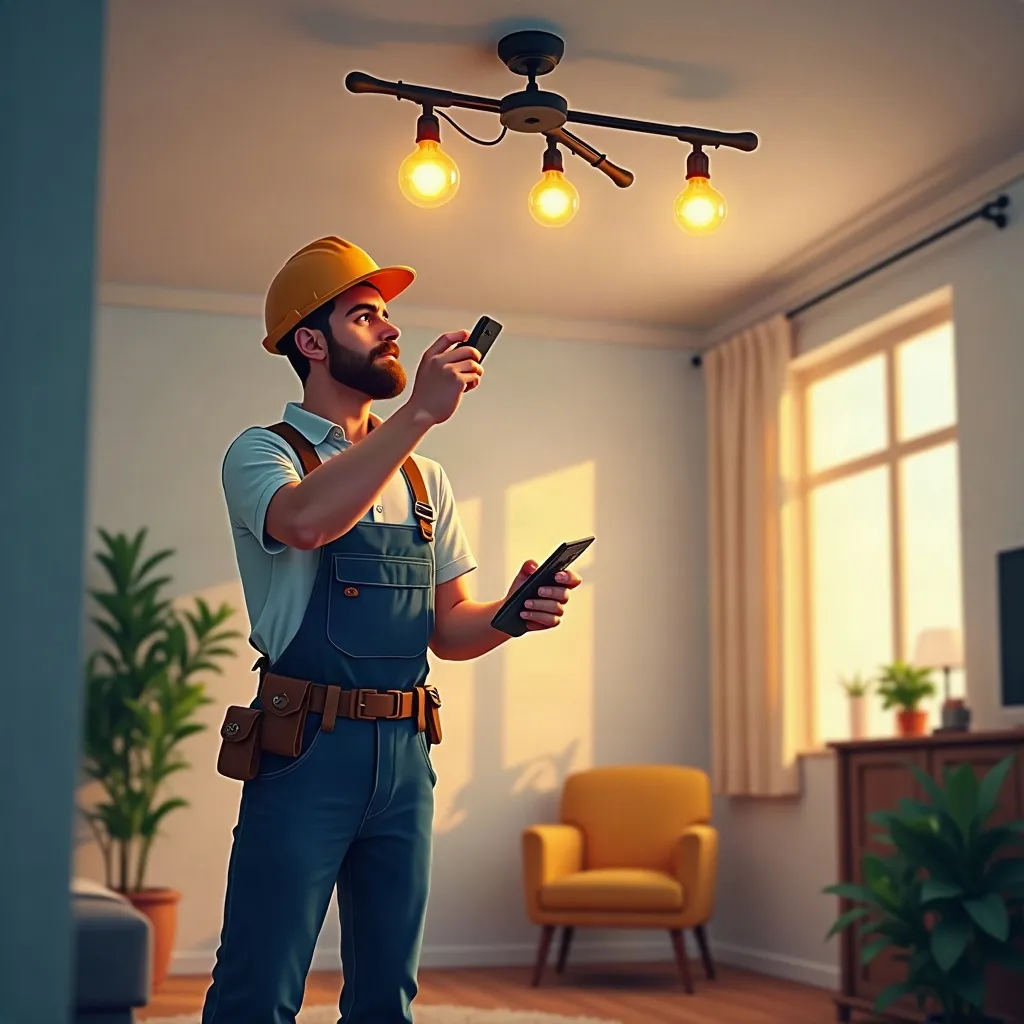
Typical Signs of Electrical Malfunctions
How can homeowners spot electrical problems before they escalate? Homeowners should be watchful for specific signs revealing potential wiring concerns. Regular tripped circuit breakers can reveal overloads or poor electrical work. Additionally, unusual odors, such as burning, may reveal overheated wires or insulation. Flickering or dimming lights, especially when various outlets are affected, can reveal an unstable electrical supply. Moreover, outlets that feel warm to the touch or show discoloration could point to a serious wiring issue. Property owners should also take note of buzzing sounds from outlets or switches, which may indicate improper installation or failing components. Finally, if devices frequently experience malfunctions or if the home's electrical system seems outdated, it might be time to consult a professional. Recognizing these warning signs early can prevent more significant problems and guarantee the safety and functionality of the home's electrical system.
The Threats of Flickering Lights
Flickering lights can create significant hazards within a home, often acting as a warning sign of underlying electrical issues. This occurrence may indicate loose wiring, which can result in arcing, a dangerous condition where electricity leaps between wires. Such arcing can trigger overheating and potentially lead to electrical fires. Additionally, flickering lights may signify an strained circuit, where too much current is being drawn, risking damage to appliances and the electrical system itself.
Property owners may also face regular disruptions in their illumination, which can lead to decreased visibility and heightened danger of accidents. Ignoring flashing illumination can exacerbate these issues, leading to more serious electrical failures. Engaging a qualified electrician is essential to identifying and resolving the root cause of flickering lights, guaranteeing protection and returning reliable electrical service. Prompt attention to this concern can prevent critical dangers and protect both assets and residents.
Grasping Safety Breaker Trips
Grasping how circuit breaker trips occur is vital for property owners facing electrical problems. A circuit breaker functions as a safety mechanism, designed to interrupt electrical flow when it detects an overload, short circuit, or ground fault. These interruptions avoid potential dangers, such as electrical fires or equipment damage.
Should a circuit breaker activate, it reveals that your electrical system is facing an electrical fault. Common reasons encompass circuits overloaded by too many appliances, faulty wiring, or malfunctioning appliances. Property owners ought to observe the specific breaker that trips frequently, because this helps determining the source of the problem.
While fixing a tripped breaker is simple, frequent interruptions suggest an underlying issue that demands professional attention. An electrical specialist can diagnose the issue, ensuring the home's electrical system functions securely and effectively. Comprehending these disruptions not only safeguards assets but also enhances overall power system safety within the home.
Steps to Take When Outlets Stop Working?
When electrical receptacles stop working, it can disrupt daily activities and cause annoyance. Individuals may want to check whether the breaker has activated, as this is a common reason. If the breaker is functioning, inspecting the outlet for visible damage of wear and tear is recommended. Loose wiring or burnt marks may point to a greater issue.
Next, testing the outlet with a alternative device can help identify whether the issue lies with the outlet or the appliance. If multiple outlets in the same area are non-working, the problem may be related to wiring or a GFCI outlet that needs to be reset.
If these first diagnostic measures do not fix the problem, it is prudent to contact a licensed electrician. They have the skill to diagnose and fix electrical issues safely, ensuring that the home's electrical system operates effectively and avoids potential hazards.
The Threats of Excessive Circuit Load
Overloaded circuits present major threats to power infrastructure, frequently due to heavy usage of outlets and devices. Recognizing the warning signs of overloading, like regular tripped breakers or flickering lights, is important for well-being. Applying strong preventative approaches can help lessen these risks and ensure a stable electrical infrastructure.
Reasons for Overwhelmed Circuits
A considerable number of households face difficulties caused by overloaded circuits, which can result in severe electrical hazards. Overloading usually occurs when too many devices consume electricity from a single circuit, exceeding the circuit's capacity. Common causes encompass the use of multiple high-power appliances, such as space heaters and microwaves, simultaneously on the same circuit. Additionally, outdated wiring systems may not support modern electrical demands, contributing to overloads. Poorly placed extension cords and power strips can additionally exacerbate the issue by distributing power unevenly. Moreover, a insufficient knowledge about electrical ratings among homeowners often leads to unintentional overuse of circuits, increasing the risk of overheating and potential fire hazards. Proper circuit management is vital for safety and efficiency.
Signs of Being Overloaded
Detecting the signs of overloaded circuits is fundamental for sustaining electrical safety in a home. Common indicators include periodic circuit breaker trips, which infer that the electrical demand exceeds the circuit's capacity. Dimming or flickering lights can also signal overload, as they may labor to receive adequate power. Additionally, outlets that feel warm to the touch or emit a burning smell pose hazardous risks, indicating potential overheating. Inconsistent performance of electrical devices may further highlight the issue, suggesting that they are not receiving stable power. Homeowners should pay attention to these signs, as ignoring them can lead to more severe electrical problems, including potential fire hazards. Prompt assessment by a qualified electrician is imperative for addressing overloaded circuits effectively.
Prevention Methods Accessible
To mitigate the hazards associated with overloaded circuits, homeowners can implement several practical safety steps. First, they should guarantee that the total power consumption of appliances does not exceed the circuit’s capacity. Utilizing power strips with built-in circuit breakers can further protect against overloads. Regularly inspecting electrical cords for wear and tear is essential, as damaged cords can lead to increased resistance and overheating. Additionally, spreading electrical loads across multiple circuits can help prevent any single circuit from becoming overloaded. Homeowners are also encouraged to avoid daisy-chaining multiple extension cords, which can notably increase the risk of overloads. Finally, consulting with a licensed electrician for a thorough evaluation of the home’s electrical system can provide tailored solutions and safety recommendations.
What Method Does an Electrical specialist Use to Diagnose Electrical faults?
Troubleshooting electrical issues requires a structured process that merges technical knowledge with sharp observation. Electricians begin by gathering facts from the customer, noting signs such as lights that flicker or tripped breakers. They often undertake a visual inspection of the service panel, plugs, and electrical conductors to identify any obvious problems, like compromised insulation or separated joints.
Next, electricians utilize specialized tools, such as multimeters and circuit testers, to determine voltage, current, and resistance levels. This helps in pinpointing the exact location of the fault. They may also inspect for ground faults or short circuits, which can create significant hazards. Throughout the process, electricians adhere to safety protocols to ensure their own protection as well as that of the property. By systematically removing potential causes, they can precisely identify the problem, allowing for effective repairs and restoring safety in the electrical system.
Preventative Steps for Electrical Protection
Preventive tactics for electrical protection are essential in minimizing threats associated with electrical systems. Consistent evaluations, circuit breaker maintenance, and correct wiring standards can greatly enhance the stability and security of electrical installations. Implementing these strategies helps in spotting potential issues before they balloon into serious problems.
Periodic Electrical Inspections
Periodic electrical inspections hold an significant part in maintaining safety and efficiency within residential and business properties. These inspections help recognizing potential hazards, such as frayed wires, overloaded circuits, and outdated equipment. By detecting issues early, property owners can prevent costly repairs and assure compliance with safety regulations. Certified electricians execute detailed evaluations, reviewing connections, grounding systems, and load capacities. They also appraise the overall condition of electrical panels and devices, providing suggestions for needed upgrades or repairs. Regular inspections not only improve safety but also improve energy efficiency, decreasing utility costs over time. Ultimately, putting efforts in these routine inspections builds peace of mind, knowing that an electrical system runs effectively and safely.
Circuit Breaker Maintenance
Maintaining circuit breakers is vital for guaranteeing electrical safety and dependability in any property. Regular maintenance helps prevent unexpected power outages and reduces the risk of electrical fires. Property owners need to periodically inspect for signs of wear like rust or discoloration, ensuring the breaker panel remains clean and free from dust and debris. Testing the breakers by occasionally resetting them to verify their functionality is also important. Also, consulting with a licensed electrician for routine checks can detect issues early before they worsen. Well-organized labeling of breakers increases ease of access in times of emergency. By taking these preventive measures, the lifespan of circuit breakers is extended, and a safer living environment is promoted for occupants.
Protected Electrical Procedures
Ensuring secure wiring methods is vital for minimizing electrical risks in any setting. Proper installation techniques, including using the right wire gauge and properly securing connections, play a vital role in avoiding overheating and electrical fires. Adherence to local building codes and regulations is also crucial for achieving compliance and safety. Routine inspections can uncover potential problems such as frayed wires or loose connections before they become serious issues. Using quality materials and components ensures longevity and reliability. Additionally, employing professional electricians for installations and repairs is advisable, as their expertise greatly minimizes risks associated with improper wiring. By adopting these practices, individuals can enhance safety and efficiency in their electrical systems.
Often Asked Questions
How Regularly Should I Get My Electrical Setup Inspected?
Property owners should have their electrical systems examined every three to five years. Routine checks help identify potential issues early, ensuring safety and optimal performance, while also extending the lifespan of the electrical infrastructure overall.
May I Undertake My Own Electrical Repairs Safely?
Though some small fixes could be attempted, it is generally unsafe for people lacking adequate training to perform electrical repairs. Professional electricians have the expertise and tools necessary to ensure safety and adherence to codes.
What Are the Signs of Aging Wiring?
Signs of old electrical systems encompass regular breaker interruptions, flickering lights, stained outlet covers, a burning smell, and the occurrence of traditional outlets. These symptoms often recommend the demand for an electrical overhaul for precaution.
What Techniques Can Help Me Reduce Power Fires in My Home?
To prevent fire hazards from electricity, one should regularly inspect wiring, refrain from overloading circuits, use proper wattage bulbs, set up smoke detectors, and guarantee appliances are in good condition. Regular expert evaluations significantly improve home safety.
Which Certifications Should You Look for in an Electrical Contractor?
When selecting an electrician, one must prioritize certifications, licenses, and find guide experience. Additionally, verifying references and confirming familiarity with local codes and safety standards can help guarantee quality work and reliability in electrical services.
Report this page